
Summer House Season 10 Episodes 2-4 Dark Side DJ Kyle Cooke, Mother Hubbard, Jesse & West Breakup? – TVholics Anonymous Podcast
Exposing Toxic Masculinity on Reality TV: A Deep Dive into Bravo’s Summer House Are the men on Bravo’s Summer House reflective of broader toxic masculinity issues in America? If you’re tired of superficial reality TV and want a critique rooted in real concerns about behavior, entitlement, and gender dynamics, you’re in the right place. In […]

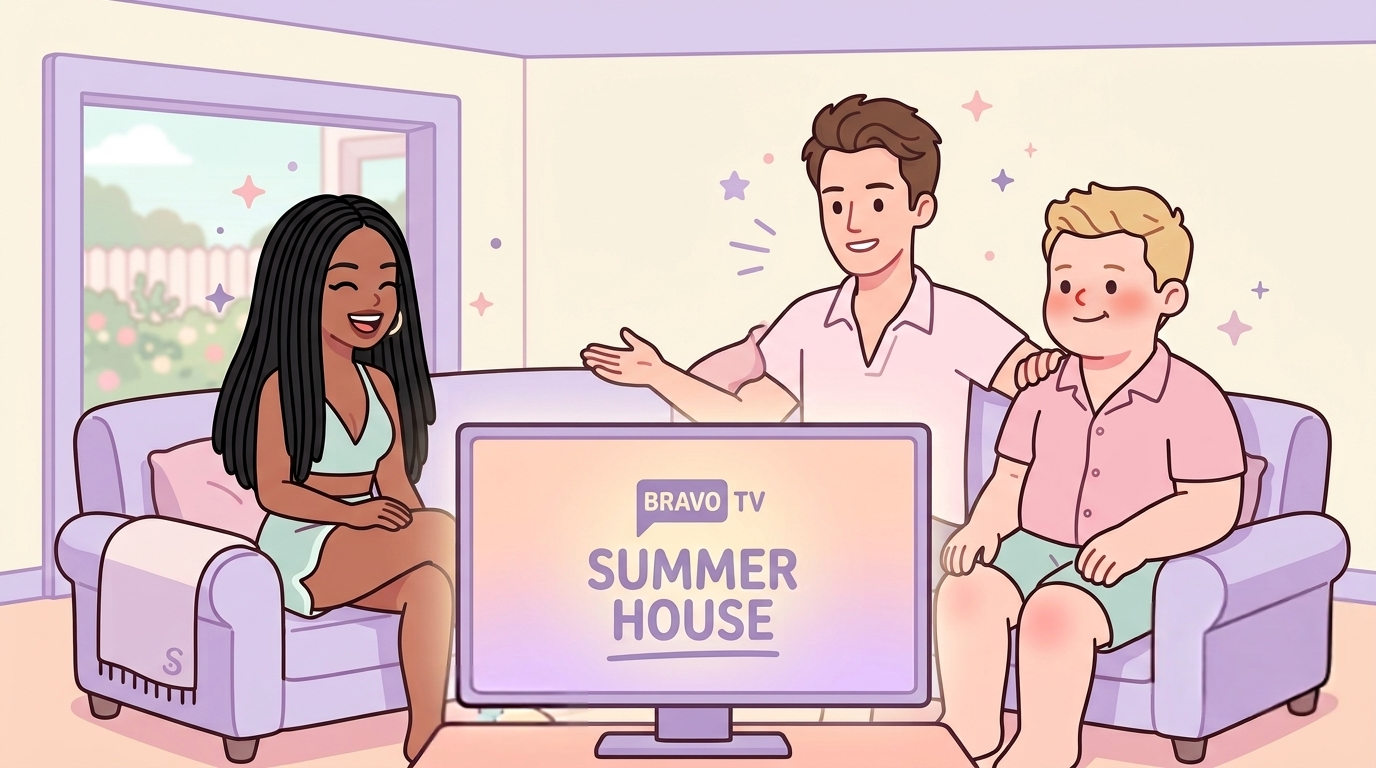
Exposing Toxic Masculinity On Reality TV: A Deep Dive Into Bravo’s Summer House Season 10
Are the men on Bravo TV’s Summer House Season 10 reflective of broader toxic masculinity issues in America? If you’re tired of superficial reality TV and want a critique rooted in real concerns about behaviour, entitlement, and gender dynamics, you’re in the right place. We explore the most troubling patterns emerging from recent episodes, highlight how they influence viewers’ perceptions, and suggest ways to critically engage with this popular but problematic genre.
Whether you’re a dedicated fan or just curious about the gender politics behind reality TV, understanding the behaviour of these men can shed light on larger societal issues. Let’s unpack the key themes: the entitlement of male castmates, toxic masculinity’s portrayal, how these shows reinforce unhealthy stereotypes, and what viewers (especially women) can do about it.
The Pattern Of Entitlement: Kyle Cook’s Toxic Dominance Summer House Season 10
One of the most striking figures on Summer House is Kyle Cook. From the start, his behaviour reeks of entitlement as he views himself as the alpha, the top dog, the “number one guy,” as he often insists. This manifests in his treatment of women, particularly Amanda, who’s been subjected to constant gaslighting and belittlement.
Kyle’s actions are classic examples of toxic masculinity in action: belligerence, aggressive drunkenness, and a sense of superiority over others. His aggressive attitude towards alcohol use, accusations of being an alcoholic, and attempts to dismiss or gaslight his wife highlight male entitlement and lack of accountability.
His tantrums, fights with friends like Carl, and attempts to dominate conversations all reinforce a core issue. He believes he is above others, and his need for validation drives much of the drama. As viewers, recognizing these patterns helps us understand how toxic masculinity is often packaged as entertainment, influencing perceptions of what it means to be a ‘masculine’ man.
Toxic Behaviour As Entertainment: Why Summer House Season 10 Show Keeps It On
Despite its problematic elements, Kyle’s antics seem to boost ratings, possibly explaining why he remains a fixture on the show. His temper tantrums, drunken episodes, and confrontational style supply the drama that keeps viewers hooked but at what cost?
Many fans and critics alike have pointed out that the show’s producers may not be doing enough to discourage such behaviour. Instead, they often amplify it by rewarding outrageous conduct with more screen time, creating a dangerous cycle. This raises questions about the responsibility of reality TV & Bravo TV to promote healthier portrayals of masculinity.
The show also glamorizes these traits, portraying men who cheat, gaslight, or act belligerently as ‘entertaining’ or ‘strong,’ reinforcing toxic stereotypes. For women watching, the message can be destructive, suggesting that such behaviour is acceptable or even admirable. It’s important to challenge this narrative and demand more responsible programming.
The Impact On Female Castmates & Women Viewers Summer House Season 10
The behaviour of men like Kyle doesn’t just stay on TV — it echoes in real life. For women watching, it can reinforce harmful gender stereotypes, normalizing disrespect and toxic behaviour in relationships.
Amanda’s storyline, for example, embodies this issue. Her patience and acceptance of Kyle’s disrespect, gaslighting, and abusive like behaviour highlight a serious problem: many women stay in toxic relationships because they’ve internalized societal messages about women’s ‘role’ in accepting male toxicity.
Sierra, another cast member, demonstrates resilience, but even she faces these toxic dynamics. Watching strong women try to navigate or challenge male toxicity is inspiring but also a stark reminder of how pervasive these issues are in real life.
Critics argue that reality TV should serve as a mirror not a magnifying glass for societal issues. Instead of glorifying toxic masculinity, shows like Bravo TV’s Summer House could leverage their platform to promote healthier, more respectful representations of masculinity and relationships.
What Can Viewers Do?
Recognizing toxic masculinity on reality TV is the first step. The next is advocating for responsible media consumption:
– Support shows that promote positive portrayals of gender dynamics.
– Critically analyse and discuss problematic behaviours with friends and on social media.
– Encourage producers and networks to reflect on the impact of their content.
– Promote feminist and gender equity content that challenges toxic stereotypes.
Additionally, as viewers, we can demand better by choosing entertainment that aligns with healthier representations of masculinity and femininity. Awareness and critique are powerful tools for change.
Final Reflection
Reality TV, especially shows like Summer House, serves as both a mirror and a magnifying glass for societal behaviours. The toxic masculinity displayed by many male cast members can influence viewer perceptions and normalise disrespectful, aggressive male actions. As viewers who care about social progress, we have a responsibility to critique these portrayals and demand change.
By staying aware, supporting healthier media, and fostering conversations around gender stereotypes, we can contribute to reshaping the narratives around masculinity in our society.
Want to dive deeper? Check out our podcast about this episode of Bravo TV’s Summer House at the top of the page. Join the conversation on social media with #HealthyMasculinity. Together, let’s push for more respectful, empowering representations in all forms of entertainment.